
The Automotive Industry’s Role in Asbestos Exposure
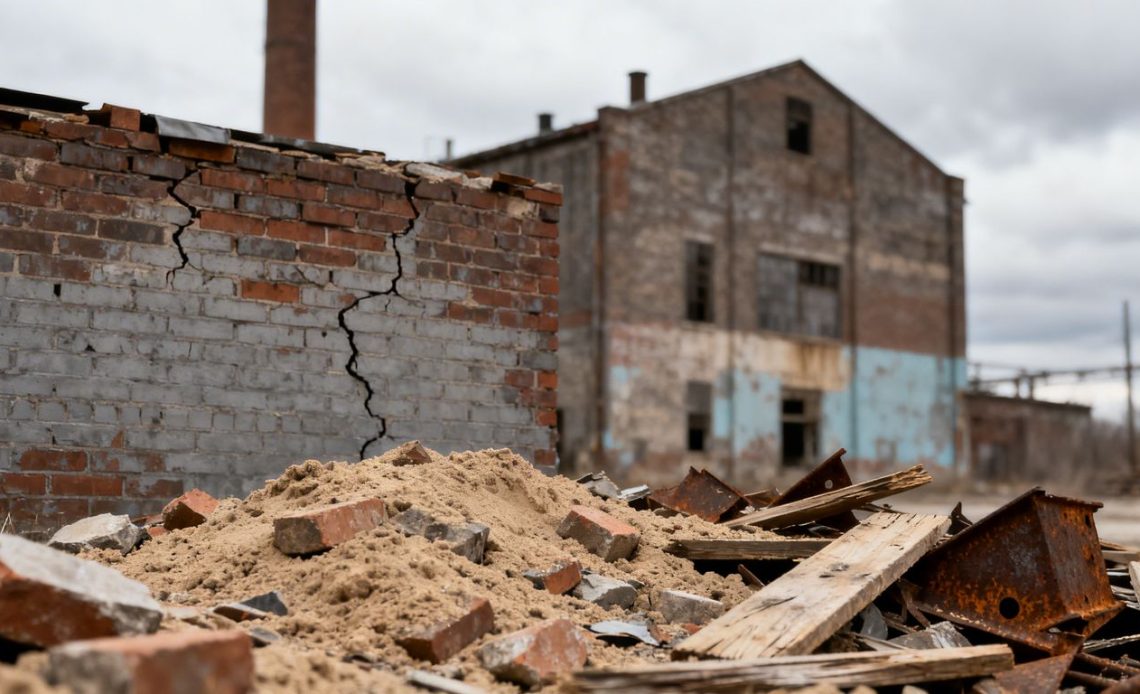
Michigan became known as the heart of the American car industry, but it paid a price for that fame. For decades, nearly every major auto plant in the state used asbestos in both the building and the vehicles themselves. Brake pads, gaskets, and insulation were all packed with the stuff. It wasn’t just about making cars — it was about keeping things running smoothly in hot, high-pressure environments. Unfortunately, many workers breathed in asbestos fibers day in and day out, especially those working in older plants run by Ford, GM, and Chrysler. This exposure didn’t just happen all at once; for a lot of people, it added up over years of moving from job to job, plant to plant.
Beyond Automotive: Foundries, Chemical Plants, and Power Generation
It wasn’t only car factories. Asbestos found its way into just about every big industrial job in Michigan. Foundries used it for heat resistance. Chemical plants relied on its insulation and fireproofing qualities. Power plants, another backbone of Michigan’s economy, had pipes, boilers, and walls lined with it. If someone worked in these places—especially before stricter regulations came in the 1980s—they likely encountered asbestos in some form. The common thread? Workers rarely got a clear warning, or the right protection, from their employers.
Here’s where exposures happened most:
- Auto assembly and parts plants (brakes, clutches, engines)
- Iron, steel, and aluminum foundries
- Chemical factories (such as those in Midland)
- Power utilities throughout the state
The Lingering Impact of Decades-Old Exposures
People might think this is all in the past, but asbestos exposure is still a present-day problem because it takes so long for health issues to appear. It’s not rare for someone to get diagnosed with mesothelioma 30, 40, or even 50 years after their last exposure. Family members—those who washed work clothes or were around dusty uniforms—are sometimes affected too. Even buildings that were left standing or just recently torn down can release fibers if not handled carefully. The impact of Michigan’s industrial growth years hasn’t gone away; it still affects families in very real ways today.
Why a Michigan Mesothelioma Attorney is Crucial
Navigating Michigan’s Statute of Limitations
Filing a mesothelioma lawsuit in Michigan isn’t just paperwork—it’s about timing. Anyone with a diagnosis generally has three years from the date they find out to file a claim. Missing this deadline can mean losing the chance to recover any compensation, even if the evidence is otherwise strong. A Michigan attorney will:
- Track the date of diagnosis and keep you on schedule
- Move fast to collect medical records and employment history
- Make sure papers are filed before the window closes
Getting this part right helps you keep your options open.
Understanding Multi-Site Exposure and Trust Funds
Michigan workers often spent time in more than one factory or site where asbestos was present. A lot of those companies are gone now, but some set up trust funds to pay claims. This gets confusing fast. Here’s what a local lawyer does:
- Figures out all the companies and work sites where exposure may have happened
- Finds out which trusts may be responsible today
- Prepares claims for multiple exposure sources—sometimes across state lines
Without someone who knows the local history, claims can easily be missed or underpaid.
The Importance of Local Legal Expertise
Attorneys who work regularly on mesothelioma claims in Michigan understand the state’s industrial background, common workplaces, and court systems. That means they can:
- Track down witnesses who remember working with you
- Help with the specific paperwork needed for Michigan courts
- Work around local challenges, like missing records or closed companies
Choosing a Michigan attorney for a mesothelioma claim isn’t just a detail—it lets families work with someone who understands the local story and has the right contacts to build a strong case.
Identifying Common Sources of Asbestos Exposure in Michigan
Michigan’s industrial past is deeply intertwined with the use of asbestos. For decades, this mineral was a common component in many materials used in factories, construction, and manufacturing. Understanding where these exposures likely occurred is a key step for anyone who worked in these industries and is now dealing with asbestos-related health issues.
Asbestos in Automotive Manufacturing Facilities
The “Big Three” automakers – Ford, General Motors, and Chrysler – had a massive presence in Michigan. Their plants, which built everything from engines to entire vehicles, were filled with asbestos. It was used in many parts, including:
- Brake pads and clutch facings
- Gaskets and seals
- Heat shields and insulation for engines and exhaust systems
- Fireproofing materials in the buildings themselves
Workers on assembly lines, mechanics who serviced company vehicles, and maintenance crews all faced regular exposure to asbestos dust released from these materials. Even workers in foundries that supplied parts to the auto industry were at risk.
Asbestos in Construction and Renovation Projects
Beyond the factories, asbestos was a go-to material for building and maintaining structures across Michigan. Construction workers, electricians, plumbers, and maintenance staff who worked on industrial buildings, power plants, and even commercial structures often handled asbestos-containing products. These included:
- Insulation for pipes, boilers, and turbines
- Cement sheets and tiles for roofing and flooring
- Joint compounds and sealants for walls and ceilings
- Fire-resistant coatings sprayed onto structural elements
When older buildings were renovated or demolished, the disturbance of these materials released significant amounts of asbestos fibers into the air, posing a risk to workers and sometimes nearby communities.
Asbestos in Other Industrial Settings
Michigan’s industrial landscape was diverse, and asbestos found its way into many other sectors. Chemical plants, like those operated by Dow Chemical in Midland, used asbestos extensively for insulating high-temperature equipment and pipes. Power generation facilities, such as those run by Detroit Edison and Consumers Power, relied on asbestos for insulating boilers, turbines, and electrical systems. Workers in these environments, including operators, electricians, and maintenance personnel, were frequently exposed. Metal foundries also used asbestos for heat-resistant gear and insulation, putting foundry workers at risk.
Building Your Michigan Mesothelioma Claim
Documenting Your Michigan Work History
To build a strong mesothelioma claim, it’s important to thoroughly document your past work. This means listing every job you’ve held, especially those in Michigan’s industrial settings. Think about places like automotive plants, foundries, chemical facilities, or power generation sites. For each job, try to recall the dates you worked there, your job title, the company name, and the specific tasks you performed. If you can remember coworkers who can back up your employment history, jot down their names too. This detailed record is the first step in connecting your illness to asbestos exposure.
Establishing an Exposure Timeline
Once you have your work history, the next step is to create a timeline of your potential asbestos exposure. For each job, identify the tasks that might have put you in contact with asbestos. This could include things like:
- Working with brake linings or clutch components
- Handling insulation materials
- Performing maintenance or repairs on pipes and boilers
- Being in areas where demolition or renovation was happening
If you served in the military, include details about your service, duty stations, and any jobs you held. This timeline helps pinpoint which companies or products might be responsible for your condition and is a key part of your case.
Gathering Essential Supporting Documents
Collecting the right documents is vital for supporting your Michigan mesothelioma claim. These records provide concrete evidence of your work history and exposure. Look for things like:
- Old tax returns that show your employers
- Union membership cards, especially from unions like the UAW
- Social Security earnings statements
- Military service records (like a DD-214)
- Any medical records you have related to respiratory issues or your diagnosis
- Photographs from past job sites, if available
Having these documents can significantly strengthen your claim and help you pursue compensation. If you need assistance with this process, seeking help from experienced Michigan mesothelioma lawyers is a good idea.
Seeking Compensation for Michigan Asbestos Victims
When individuals in Michigan are diagnosed with mesothelioma or asbestos-related lung cancer, the financial burden can be immense. Fortunately, there are avenues for seeking compensation to help cover medical expenses, lost income, and other related costs. Understanding these options is the first step toward securing the financial support your family needs.
Mesothelioma and Lung Cancer Compensation
Victims of asbestos exposure in Michigan may be eligible for compensation through several channels. These can include:
- Asbestos Trust Funds: Many companies that once used asbestos have established trust funds to compensate individuals harmed by their products. Over $30 billion is available nationally through these trusts.
- Personal Injury Lawsuits: Legal action can be taken against companies responsible for asbestos exposure. This is particularly relevant for those diagnosed with lung cancer, who have the same rights to compensation as mesothelioma patients.
- Wrongful Death Claims: If a loved one has passed away due to an asbestos-related illness, surviving family members may file a wrongful death claim.
Understanding Available Trust Funds
Asbestos trust funds represent a significant source of compensation for victims. These funds were set up by companies that filed for bankruptcy to manage their asbestos liabilities. While these funds exist, navigating the claims process can be complex. It often requires detailed documentation of your work history and exposure timeline. A lawyer experienced in these matters can help identify which trusts may be applicable to your case and assist in filing the necessary paperwork. For those seeking help with these complex claims, resources are available to assist Michigan families.
The Role of a Michigan Mesothelioma Attorney in Maximizing Recovery
An attorney specializing in Michigan’s industrial legacy plays a vital role in maximizing compensation. They possess the knowledge to:
- Identify all potential sources of compensation, including multiple trust funds and liable parties.
- Accurately assess the value of your claim, considering medical bills, lost wages, pain and suffering, and other damages.
- Navigate the strict deadlines, such as Michigan’s three-year statute of limitations for personal injury and wrongful death claims.
- Gather and present evidence effectively to build a strong case.
Their goal is to ensure victims receive the full compensation they deserve for their suffering and losses.
Choosing the Right Legal Representation
Experience with Michigan’s Industrial Legacy
When looking for legal help after an asbestos exposure, it’s important to find someone who really gets what Michigan’s past looks like. This state has a long history tied to industries like auto manufacturing, foundries, and chemical plants. These places often used asbestos in their operations, meaning workers could have been exposed decades ago. A lawyer who knows this history can better understand where and how you might have been exposed. They’ll know the types of jobs, the specific materials used, and the common work sites that put people at risk in Michigan. This kind of local knowledge is a big help in building a strong case.
Contingency Fee Basis and Free Consultations
Most law firms that handle asbestos cases work on a contingency fee basis. This means you don’t pay anything upfront. The lawyer’s fee is a percentage of the money they recover for you. If they don’t win your case, you don’t owe them attorney fees. It’s also common for these firms to offer a free initial consultation. This is a chance to talk about your situation, ask questions, and get a sense of how they might help, all without any cost or obligation. It’s a good way to see if they’re a good fit for you.
Dedicated Advocacy for Michigan Families
Finding the right attorney means looking for someone who is committed to fighting for you and your family. Mesothelioma and other asbestos-related illnesses can be devastating, not just physically but financially too. You want a legal team that will take the time to understand your unique circumstances. They should be ready to put in the work to gather all the necessary evidence, track down responsible parties, and pursue the full compensation you deserve. This includes:
- Thoroughly investigating your work history and potential exposure sites.
- Working with medical and scientific experts to explain the link between your illness and asbestos.
- Negotiating with companies and their insurers, or taking your case to court if a fair settlement isn’t offered.
Ultimately, you need a lawyer who will be a strong advocate, making sure your voice is heard and your rights are protected throughout the legal process.