
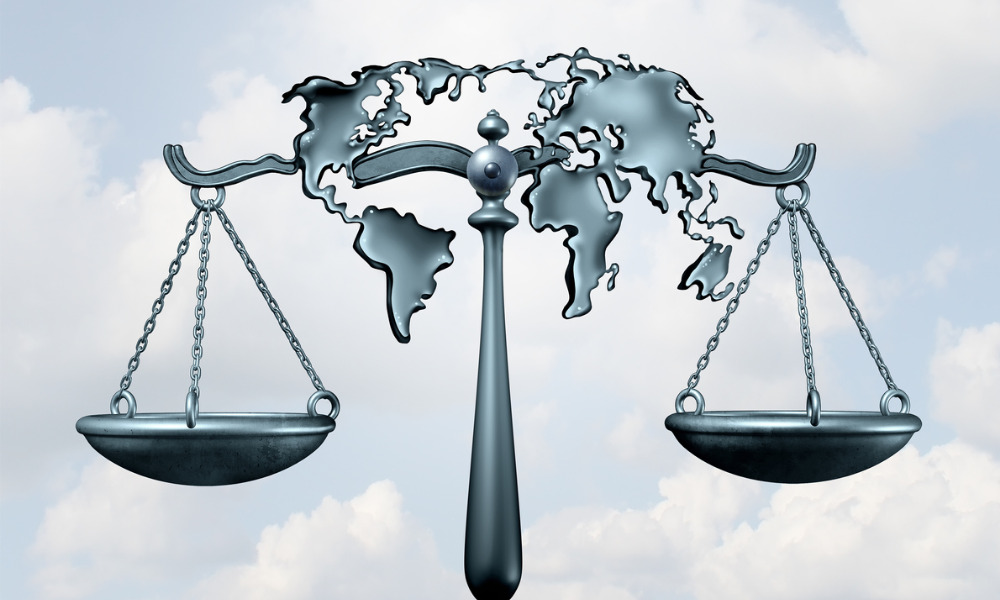
The night sky above Pennsylvania often sparks curiosity about what lies beyond Earth. As scientists and companies launch rockets and satellites, a new question arises- who owns space? The field that answers this question is known as space law, a growing area of international and national regulation that keeps space exploration fair, peaceful, and safe.
Understanding Space Law
Space law includes all the rules, agreements, and treaties that guide how countries and private companies behave in outer space. It explains what can and cannot be done beyond Earth’s atmosphere. In Pennsylvania, universities and research centers like Penn State study these rules to help future space missions work smoothly.
Some basic goals of space law include:
- Promoting peaceful uses of space
- Preventing harm to planets, the Moon, and satellites
- Protecting astronauts and space equipment
- Sharing space discoveries among all nations
The Main Law of Outer Space
The Outer Space Treaty of 1967 is the most important law guiding all space nations, including the United States. It says that:
- No country can claim the Moon or other planets as their own.
- Space belongs to everyone and must be used to benefit all humankind.
- Weapons of mass destruction, like nuclear bombs, are banned in space.
- Each country is responsible for its space activities, even private ones.
Pennsylvania experts often discuss this treaty when preparing new research about moon mining rights or satellite projects.

The Role of Pennsylvania in Space Policy
Although Pennsylvania is not home to a major space launch center, the state plays a key part in the growth of space law through its legal and academic institutions.
- The University of Pennsylvania Law School and other colleges offer courses and legal studies about air and space regulation.
- Technology firms in cities like Pittsburgh work with national agencies such as NASA to design robotic systems for space exploration.
- Pennsylvania lawyers also help create rules for private companies that want to launch satellites or join space mining missions.
Through these efforts, Pennsylvania supports smart policies that combine science, business, and law.
Who Owns the Moon or Asteroids?
Even though no one can “own” the Moon, private space companies are interested in collecting materials like metals or water ice. According to space law, they may use these resources but cannot claim the entire area. This balance is still under debate in Pennsylvania’s legal forums, where scholars discuss how to keep space fair for all.
Challenges in Regulating Space
There are still many unanswered questions:
- Who is responsible if a satellite launched from Pennsylvania causes damage in orbit?
- How much freedom should private companies have to explore or mine space?
- Should future colonies on Mars follow Earth’s laws?
These challenges push lawmakers and scientists in Pennsylvania to think carefully about how to build fair systems that apply even beyond Earth.
Looking to the Future
As Pennsylvania researchers continue studying space law, one thing remains clear: ownership beyond Earth must stay fair, peaceful, and shared. Whether it’s a rocket launched from another state or a legal proposal written in Harrisburg, every step helps shape how humans explore the final frontier responsibly.